Elevating the 2026 medical entrance scandal to a constitutional crisis, the United Doctors Front argues the testing agency suffers from a catastrophic "accountability vacuum" and must be scrapped.
 Brajesh Mishra
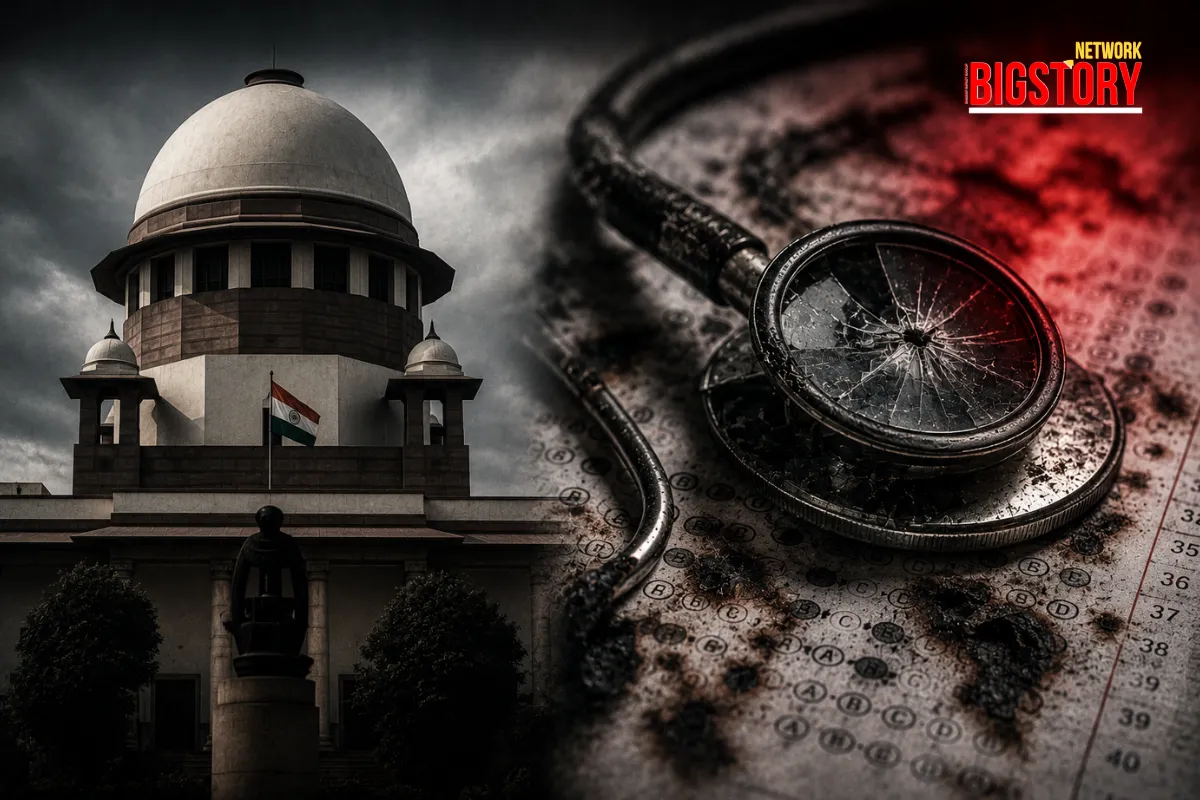
• What happened: The United Doctors Front (UDF) has filed a writ petition in the Supreme Court demanding the complete dissolution of the National Testing Agency (NTA).
• Why it matters: The petition elevates the NEET-UG 2026 paper leak from a criminal investigation to a constitutional crisis, arguing the NTA's structure as a registered society creates a massive "accountability vacuum."
• The strategic play: The UDF is pushing the Supreme Court to force the Union Government to create a new, legally binding statutory testing authority via an Act of Parliament, overseen in the interim by a court-appointed committee.
• India's stake: By citing Articles 14 and 21, the petitioners argue that recurring examination compromises are destroying the merit-based selection process and causing severe mental trauma to over 22 lakh aspirants.
• The deciding question: Will the Supreme Court mandate a structural overhaul of India's entire national examination framework, or will the NTA survive its most severe institutional challenge to date?
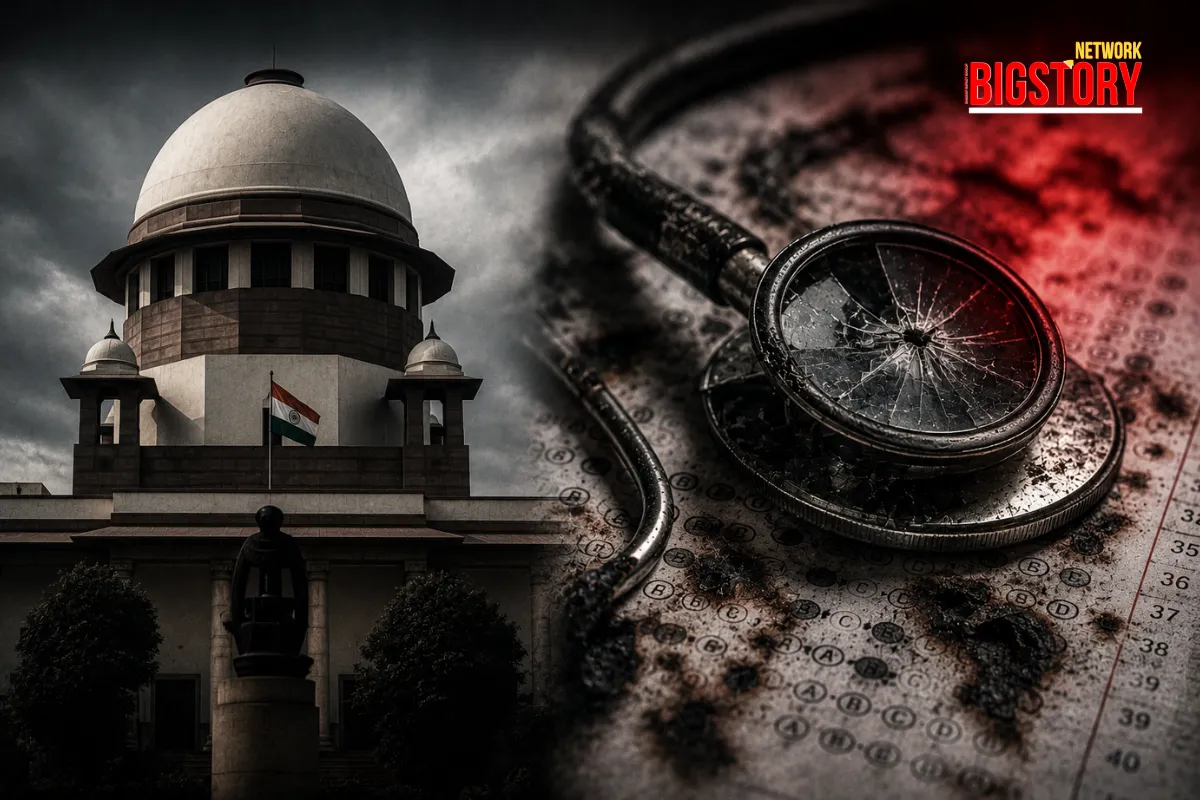
The massive fallout from the NEET-UG 2026 cancellation has officially reached the highest court in the country. Escalating the crisis from street protests to a full-blown constitutional challenge, the United Doctors Front (UDF) moved the Supreme Court today, demanding the complete dismantling of the National Testing Agency (NTA).
Filed under Article 32 of the Constitution, the petition by the registered medical professionals' body—led by Chairperson Dr. Lakshya Mittal—alleges a "systemic and catastrophic failure" by the NTA in conducting the medical entrance examination on May 3.
The primary prayer of the UDF's petition is not just for a re-examination, but for a writ directing the Union Government to completely dissolve the NTA in its current form.
The core of the legal argument targets the foundational structure of the agency. The UDF argues that because the NTA operates merely as an autonomous society registered under the Societies Registration Act of 1860, it suffers from a massive "accountability vacuum." Unlike constitutional bodies such as the Union Public Service Commission (UPSC), the NTA is not directly answerable to Parliament in the same strict, legally binding manner.
The doctors' body has outlined a comprehensive structural replacement plan for the Supreme Court to consider:
• A Statutory Authority: The petition urges the apex court to direct the Centre to pass new legislation creating a statutory national testing body. This new entity would possess clearly defined legal powers, strict transparency norms, and direct accountability to the Legislature.
• Court-Monitored Transition: Acknowledging the immediate crisis facing millions of students, the UDF has requested the formation of a court-monitored committee. This committee would supervise the transition process and ensure "zero-leak integrity" for all upcoming national exams until the new statutory body is established.
• Fundamental Rights Violations: The plea forcefully argues that the recurring compromises in the examination system are a direct violation of Article 14 (Right to Equality) and Article 21 (Right to Life and Livelihood), effectively destroying India's merit-based selection process.
Mainstream coverage is treating this as just another grievance petition, but the real play is the specific legal precedent the UDF is leveraging. The "Missed Angle" here is the petition's heavy emphasis on the fact that the NEET 2026 leak occurred despite the central government passing the heavily touted Public Examinations (Prevention of Unfair Means) Act in 2024.
By pointing this out to the Supreme Court, the UDF is making a devastating legal argument: punitive laws against paper leakers are useless if the institution setting the paper is fundamentally insecure. They are effectively telling the court that arresting the "mafia" downstream is not enough. The structural architecture of the NTA itself is broken, making it legally and operationally inadequate to handle the future of India's medical infrastructure.
• Legal Precedent: If the Supreme Court admits the petition, it will force the Union Government to publicly defend the legal and operational adequacy of the NTA on record.
• Exam Timelines: The push for a court-monitored interim committee could significantly alter the timeline and operational control of the highly anticipated NEET-UG 2026 re-examination.
• Systemic Reform: The petition has the potential to trigger the most significant structural overhaul of India's centralized examination framework in modern history, shifting power from autonomous societies back to statutory authorities.
As the Supreme Court prepares to hear the matter, the future of India's medical education testing apparatus hangs entirely in the balance.
• LiveLaw: Supreme Court Petition Tracker & Legal Updates
• Bar & Bench: Supreme Court Litigation and Education Law Coverage
• The Hindu: National Education and Legal News Desk
• The Indian Express: India News, Law, and Judiciary Updates
 Exclusive Content




Sign up for the Daily newsletter to get your biggest stories, handpicked for you each day.


 Trending Now! in last 24hrs